Before the Engine Starts, The Work Has Already Begun
Most visitors think the Everglades airboat experience begins when the engine roars to life. In reality, the most important work happens long before that moment. By the time guests step aboard, Captain Randy has already evaluated water levels, checked weather shifts, inspected equipment, and reviewed the safest and most rewarding route for the day.
Everglades airboat operations are not casual. They require judgment, mechanical awareness, environmental knowledge, and constant attention to safety. What feels effortless to guests is the result of decades of experience navigating one of the most unique ecosystems in the country.
At Ride The Wind, operations are built around private charters that prioritize safety, customization, and respect for the land. You can explore the philosophy behind these private experiences.
Mechanical Preparation and Equipment Checks
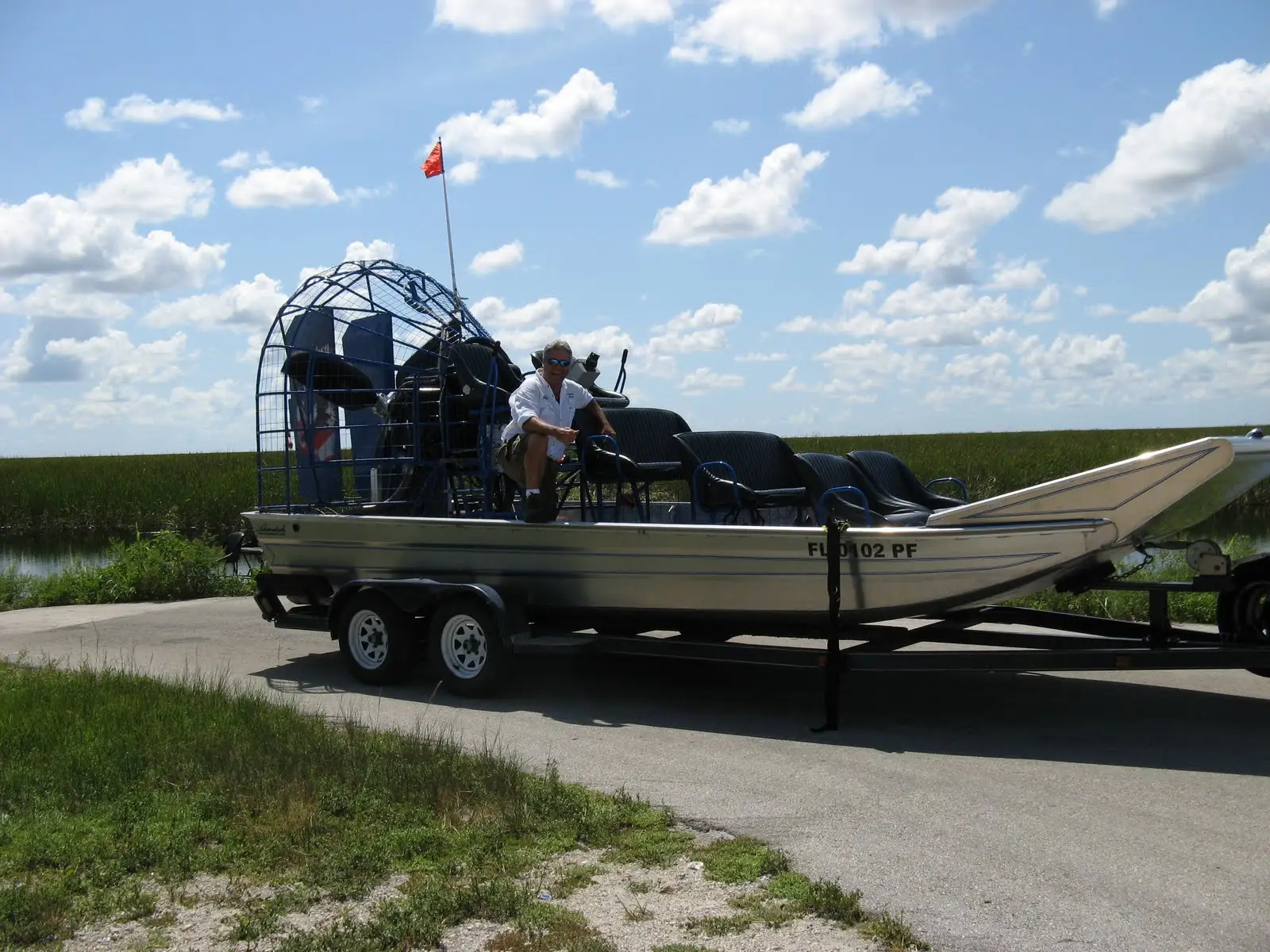
An airboat may appear simple from a distance, but it is a precision machine designed for shallow water navigation. Each morning begins with a full inspection. Captain Randy checks propeller integrity, cage security, fuel systems, steering response, hull condition, and safety equipment.
Because the Everglades is a shallow and constantly shifting environment, even small mechanical issues can affect performance. Proactive maintenance is part of responsible airboat operations. It ensures smooth navigation across sawgrass, open prairie water, and narrow cuts that traditional boats cannot access.
These preparations protect guests while preserving the ecosystem beneath the hull. Unlike submerged propellers, an airboat’s elevated thrust system allows travel without churning sediment or damaging submerged vegetation. This is one of the reasons airboats remain essential to Everglades travel.
Reading the Water Like a Map
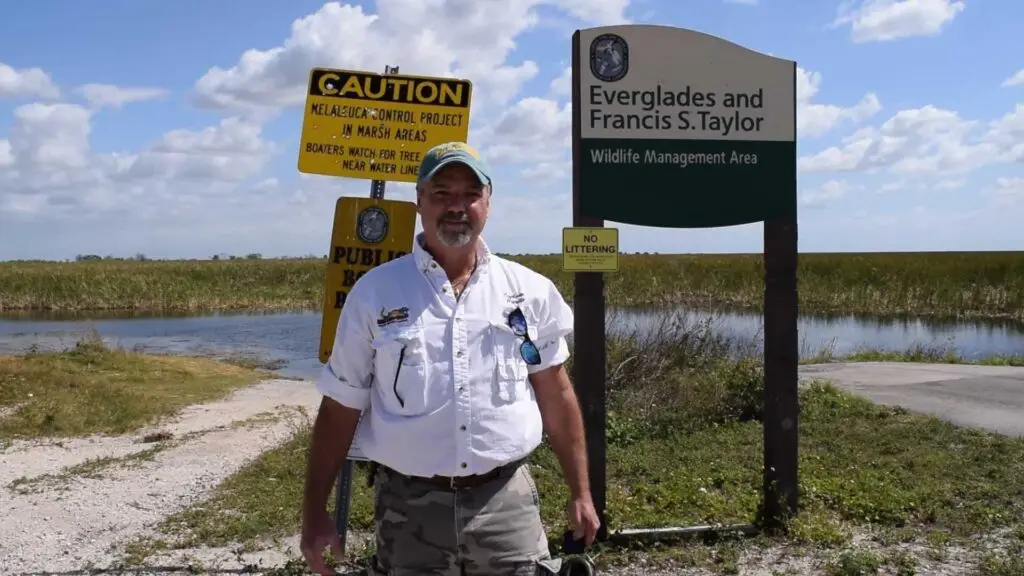
Behind every smooth Everglades airboat tour is constant observation. Captain Randy is reading wind direction, cloud development, water clarity, and wildlife movement. The Everglades is not static. Water levels fluctuate daily. Wind reshapes routes. Wildlife patterns shift based on temperature and season.
Operations require flexibility. Private tours allow route adjustments in real time rather than following a fixed loop. If birds gather in one slough or if a gator is basking in a specific pocket, the route adapts.
This awareness is what separates a true Everglades airboat operation from a routine ride. It is not about speed. It is about timing.
For visitors curious about how tours are structured and customized, the Ride The Wind airboat tours explain how private charters differ from larger group operations.
Safety Is Continuous Not Occasional

Safety in Everglades airboat operations is not a checklist completed at departure. It is continuous. From seating guidance to passenger awareness, Captain Randy monitors every detail throughout the ride.
Airboats move across shallow water where obstacles are often hidden beneath vegetation. Constant visual scanning ensures smooth navigation and prevents disturbance to wildlife or nesting areas. Guests may not notice subtle adjustments in throttle or direction, but those adjustments maintain balance and control.
Operations also include responsible wildlife distancing. Alligators are respected. Birds are not crowded. The goal is observation without interference.
For broader insight into Everglades preservation and wildlife management, the National Park Service provides authoritative information.
Environmental Responsibility in Daily Operations
Captain Randy is not only guiding guests. He is operating within a protected ecosystem. Responsible Everglades airboat operations require knowledge of water flow systems, protected zones, and seasonal sensitivities.
The Everglades depends on careful water management and habitat protection. Operators must understand where travel is appropriate and where it is not. Respect for nesting seasons and sensitive vegetation is built into route decisions.
This approach aligns with conservation efforts highlighted by organizations such as the Everglades Foundation, which focuses on restoration and long-term ecosystem health.
Operations are conducted with the understanding that tourism must support preservation, not threaten it.
Recognized Among South Floridas Best
Professional Everglades airboat operations are built on experience, safety, and consistency. That commitment has not gone unnoticed. Ride The Wind has been recognized among South Floridas Best for private airboat tours, a distinction that reflects both guest satisfaction and operational standards.
Being featured on South Floridas Best is not about marketing language. It reflects the trust built through careful navigation, responsible wildlife interaction, and personalized private charters. Every inspection before departure, every route decision on the water, and every safety check behind the scenes contribute to that recognition.
Communication With Guests
Behind the scenes, part of the airboat operations involves guest preparation. Captain Randy explains seating posture, hand placement, and movement guidelines before departure. During the ride, he adjusts narration based on guest interest.
Some guests want wildlife detail. Others want historical context about early airboat development. Operations include the ability to educate while navigating. It is a balance between storytelling and attentiveness.
Private charters allow this communication to remain personal. Questions are answered in real time. Routes can pause for photographs. Silence can be respected when the landscape calls for it.
For those planning their first visit or seeking scheduling information, the Ride The Wind contact page offers direct access.
Weather Awareness and Adaptive Decision Making
South Florida weather can change quickly. Everglades airboat operations require constant evaluation of wind strength, approaching storms, and visibility conditions.
A skilled captain anticipates rather than reacts. Adjusting routes to avoid heavy gusts or open exposure protects both comfort and safety. Early morning departures may offer calmer water and stronger wildlife activity. Late afternoon rides can provide dramatic lighting but require attention to changing wind patterns.
Behind the scenes, every decision is rooted in experience rather than chance.
Training and Certification
Professional airboat operations require certification and ongoing learning. Captain Randy’s background includes marine safety knowledge and extensive experience navigating the Everglades environment.
Operational standards are shaped by both maritime guidelines and local expertise. While the ride may feel adventurous, the structure behind it is disciplined and intentional.
Guests benefit from that professionalism without feeling restricted by it. The experience remains natural, not procedural.
The Difference Between Operation and Experience

Visitors remember the rush of acceleration or the sight of an alligator sliding into the water. What they do not see are the dozens of small decisions that made that moment possible.
Airboat operations include mechanical readiness, environmental awareness, wildlife respect, route planning, guest communication, safety oversight, and conservation alignment. Each piece works together quietly.
Captain Randy’s role is to make it feel effortless. When the Everglades appear calm and welcoming, that is not luck. It is preparation.
Why Behind the Scenes Matters
Understanding Everglades airboat operations changes how you view the ride itself. It reveals the depth of responsibility behind what feels like freedom.
Every successful tour is supported by knowledge of water levels, engine behavior, wildlife movement, weather shifts, and conservation principles. That unseen structure is what allows guests to focus on the beauty around them. At Ride The Wind, operations are built on respect for both guests and the Everglades. That is what transforms a simple outing into a meaningful experience.