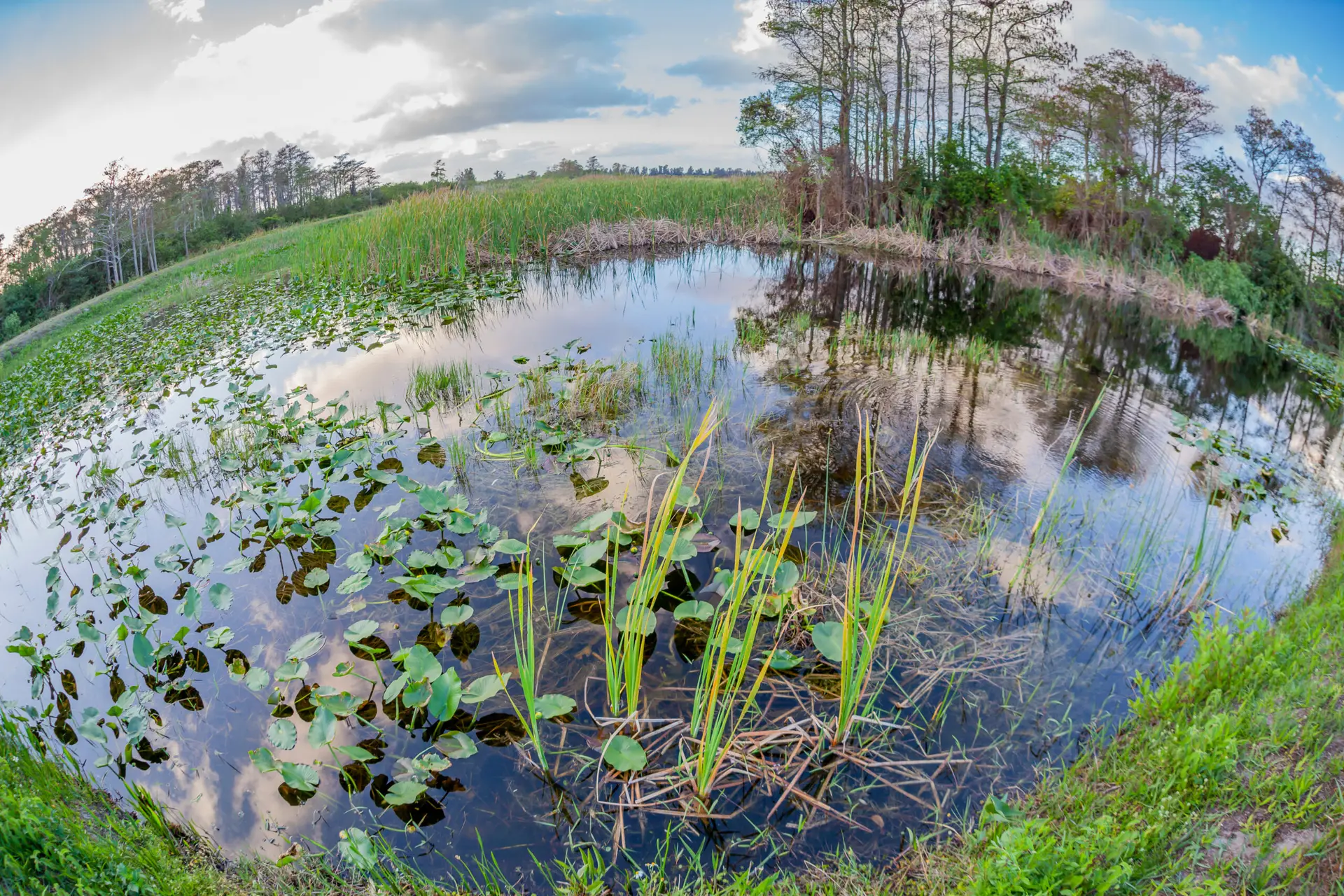
The Florida Everglades never look exactly the same from one season to the next. Water levels change, wildlife moves throughout the wetlands, and familiar stretches of sawgrass can take on a completely different appearance after several weeks of heavy rainfall. For visitors who want to experience this remarkable landscape, the Everglades Rainy Season offers a chance to see South Florida’s wetlands during one of their most important natural cycles.
As summer rainfall continues into the fall, water spreads across the marshes, filling shallow areas and creating a broad, connected wetland environment. The landscape becomes greener, aquatic habitats expand, and the Everglades reveal just how closely their plants and animals depend on seasonal water.
For guests exploring the western Broward County Everglades, these changes create an interesting setting for a private airboat adventure.
At Ride The Wind Airboat Tours, exploring the Everglades is about more than simply taking a boat ride. It is an opportunity to experience South Florida’s natural environment, learn about its wildlife, and appreciate the constantly changing landscape that makes this region so special.
Understanding the Everglades Rainy Season
Unlike much of the United States, South Florida does not experience four dramatically different seasons. Instead, the region follows two major seasonal patterns defined primarily by rainfall.
The Everglades Rainy Season generally begins around May and continues into October or November, depending on weather conditions. During these months, warm temperatures, high humidity, and frequent thunderstorms bring much of the rainfall that supports the Everglades ecosystem.
According to the National Park Service, the wet season transforms the Everglades as rising water levels spread across the landscape and wildlife moves into newly flooded habitats.
These changes are essential to the health of the wetlands. The Everglades depend on the movement and seasonal distribution of freshwater to support aquatic plants, fish, reptiles, birds, and countless other organisms.
Rather than viewing the rainy season as an inconvenience, visitors can appreciate it as an opportunity to see the natural processes that sustain one of America’s most distinctive ecosystems.
How High Water Levels Transform the Florida Everglades
One of the most noticeable characteristics of the Everglades Rainy Season is the expansion of water across the landscape.
Areas that may contain shallow water or exposed vegetation during drier periods can become flooded after repeated rainfall. Sawgrass marshes fill, small waterways connect, and water spreads into habitats that may be less accessible during other times of the year.
This seasonal flooding creates the broad wetland environment that many people associate with the Florida Everglades.
From an airboat, the landscape can appear almost endless. Wide stretches of sawgrass extend toward the horizon, broken occasionally by tree islands, open water, and patches of dense vegetation.
The increased water also supports the movement of aquatic wildlife throughout the wetlands. Fish can enter newly flooded areas, and other animals respond to the changing availability of food and habitat.
Water levels are not identical throughout the Everglades. Rainfall, local geography, water management operations, and weather patterns all influence conditions in different areas.
The South Florida Water Management District monitors rainfall and water levels throughout the region, helping researchers and water managers understand how these changes affect South Florida’s waterways and wetlands.
For visitors, the result is a landscape that can look noticeably different from one trip to another.
Wildlife Activity During the Everglades Rainy Season

Wildlife is one of the biggest reasons people visit the Everglades. American alligators, wading birds, turtles, fish, and other native species make this environment an exciting place to explore.
During the Everglades Rainy Season, rising water levels influence where many of these animals spend their time.
When water spreads across the wetlands, fish and other aquatic organisms gain access to a wider range of habitats. Alligators and wading birds may also disperse as feeding opportunities become available across larger areas.
This is an important distinction for visitors. Higher water does not necessarily mean that wildlife becomes easier to spot. In fact, animals can be more spread out during the rainy season, making sightings less predictable than during periods when wildlife gathers around limited water sources.
However, the opportunity to observe animals in their natural surroundings remains an important part of exploring the Everglades.
An alligator might be resting near the vegetation, a heron may be searching for food along the water’s edge, or a turtle may appear briefly before disappearing beneath the surface.
Every encounter depends on the conditions and the behavior of the animals themselves.
For guests interested in understanding the environment rather than simply checking animals off a list, these observations can make a private airboat tour particularly rewarding.
Why the Everglades Become So Green During Rainy Season
Rainfall does more than raise water levels. It also influences the appearance and growth of vegetation throughout the wetlands.
During wetter months, the Everglades can display rich shades of green as plants respond to the availability of water and favorable growing conditions.
Sawgrass, aquatic vegetation, and other wetland plants contribute to the landscape’s distinctive appearance.
Tree islands rise above the surrounding marsh, creating areas of concentrated vegetation that provide important habitat for birds, mammals, and other wildlife.
These islands are a recognizable feature of the Everglades and demonstrate how subtle differences in elevation can influence the types of plants and animals found in a particular location.
The contrast between open water, dense vegetation, and expansive sawgrass makes the Everglades especially interesting for nature photography.
Cloud formations and changing sunlight can also create dramatic views across the marshes.
Visitors who enjoy photographing natural landscapes may find that the rainy season provides opportunities to capture the Everglades under conditions that differ significantly from the clearer, drier winter months.
Exploring the Everglades by Airboat During High Water
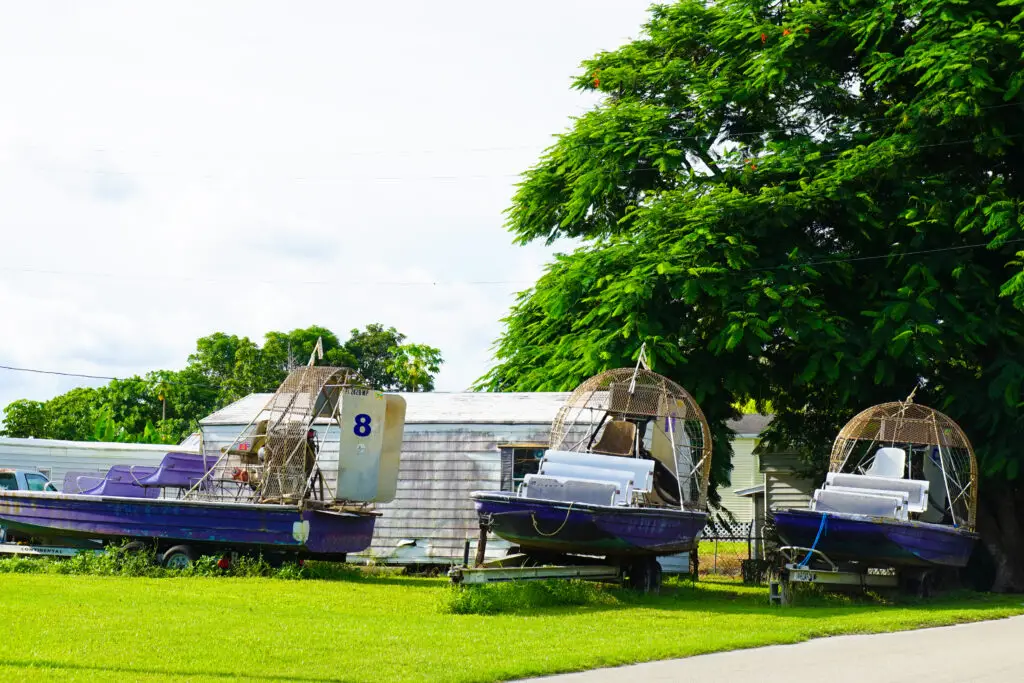
Airboats have long been associated with the wetlands of South Florida because their design allows them to travel through shallow waterways and marsh environments where conventional propeller boats may have difficulty operating.
Instead of using a submerged propeller, an airboat is propelled by a large fan mounted above the water.
This design makes airboats particularly suited to certain wetland environments, although navigable areas and safe operating conditions still depend on water depth, vegetation, regulations, and weather.
During the Everglades Rainy Season, higher water can change the appearance and connectivity of the marshes.
For visitors, traveling through this environment provides a different perspective from what they might experience while walking along a nature trail or observing the wetlands from a roadside overlook.
An airboat ride allows guests to see broad sections of the landscape while learning about the relationship between water, vegetation, and wildlife.
At Ride The Wind Airboat Tours, the emphasis on private experiences offers guests an opportunity to explore the western Broward County Everglades without sharing their tour with a large public group.
This makes the experience appealing to families, couples, photographers, and visitors who prefer a more personal adventure.
Why Private Airboat Tours Are Ideal for Exploring South Florida
Not every visitor wants the same experience when exploring the Everglades.
Some guests are fascinated by alligators and other wildlife. Others want to photograph the wetlands, learn about the ecosystem, or simply enjoy the experience of traveling across a landscape unlike anything they have seen before.
A private airboat tour provides a more personal setting for these interests.
Rather than joining a large group of unfamiliar passengers, guests can enjoy an experience centered on their own party.
For families visiting South Florida, this can make the adventure more comfortable and memorable. Children may have questions about the wildlife, while adults may be interested in learning how the Everglades function as a natural ecosystem.
Couples may appreciate the opportunity to share an outdoor adventure together, while photographers may enjoy the chance to observe the changing scenery.
The private format also makes airboat tours an attractive option for residents who want to introduce visiting friends or relatives to a different side of South Florida.
Whether someone lives in Weston, Davie, Sunrise, Plantation, Pembroke Pines, or Fort Lauderdale, the Everglades offer a natural experience that feels far removed from the surrounding urban environment.
What Visitors Should Expect From Rainy Season Weather
The Everglades Rainy Season brings warm temperatures, high humidity, and the possibility of sudden thunderstorms.
Rainfall can develop quickly, particularly during the afternoon. Some showers pass through relatively fast, while other weather systems produce prolonged periods of heavy rain.
Visitors planning an airboat adventure should understand that outdoor activities depend on weather conditions.
Lightning, strong winds, heavy rainfall, and reduced visibility can make airboat operations unsafe. Tour schedules may need to change when these conditions develop.
Guests should check weather forecasts before their visit and communicate with their tour operator about current conditions.
Lightweight clothing, sunscreen, sunglasses, and insect repellent can help make the experience more comfortable.
Staying hydrated is also important because South Florida’s combination of heat and humidity can make outdoor activities physically demanding.
For visitors traveling from outside Florida, the possibility of afternoon rain should not come as a surprise. It is a normal part of the region’s seasonal weather pattern.
The key is to plan appropriately and remain flexible when conditions change.
The Importance of Water to the Everglades Ecosystem
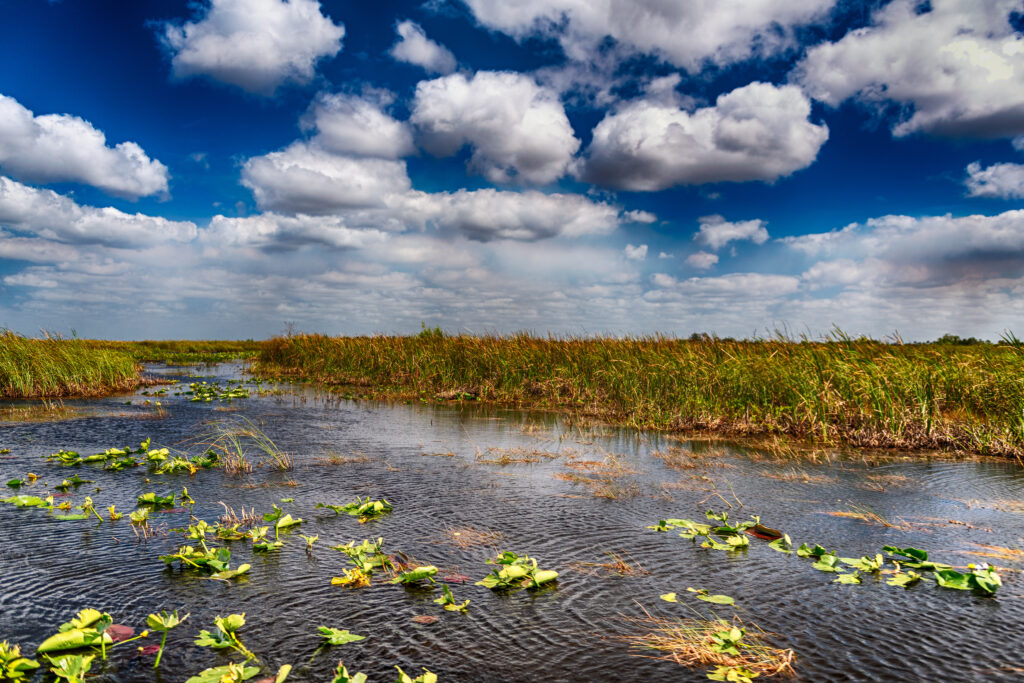
The Everglades are often described as a river of grass, a reference to the slow movement of freshwater through the region’s broad, shallow wetlands.
Water is the foundation of this ecosystem.
Seasonal rainfall helps replenish wetland habitats, influences plant growth, and affects the distribution of fish and other aquatic animals.
The timing, depth, and movement of water are particularly important because different species depend on different conditions throughout the year.
For example, seasonal flooding allows aquatic organisms to spread into wetland areas that may not remain submerged during drier periods.
As water levels eventually decline, wildlife responds again to the changing environment.
These natural cycles help explain why the Everglades are so biologically diverse.
They also demonstrate why water conservation and ecosystem restoration remain important priorities throughout South Florida.
For visitors exploring the wetlands by airboat, understanding this relationship adds another dimension to the experience.
The scenery is not simply a collection of grass, water, and trees. It is part of a complex natural system in which even relatively small changes in water levels can influence the surrounding environment.
Discovering the Everglades Near West Broward County
One of the advantages of living in or visiting western Broward County is the proximity to the Everglades.
Communities such as Weston, Davie, Sunrise, Plantation, and Pembroke Pines are located near the eastern edge of South Florida’s extensive wetland system.
For residents and tourists alike, this creates opportunities to experience an environment that contrasts sharply with the beaches, shopping districts, and urban attractions commonly associated with South Florida.
A private airboat adventure offers a way to appreciate this natural landscape without making the experience part of a crowded sightseeing excursion.
Visitors can enjoy the scenery, observe wildlife when conditions allow, and gain a greater appreciation for the wetlands that play such an important role in the region.
The Everglades Rainy Season makes this experience particularly interesting because the landscape reflects the effects of months of seasonal rainfall.
Water covers broad areas of marsh, vegetation appears lush, and the environment demonstrates the natural processes that have shaped South Florida for generations.
For guests looking for an outdoor activity near Fort Lauderdale and western Broward County, exploring the Everglades provides an alternative to more traditional tourist attractions.
Experience the Everglades Rainy Season With Ride The Wind Airboat Tours
There is something memorable about seeing the Florida Everglades when water stretches across the marsh and the landscape feels almost endless.
The Everglades Rainy Season offers visitors an opportunity to appreciate the wetlands during an important period of their natural cycle.
Higher water levels, changing wildlife patterns, green vegetation, and dramatic South Florida skies all contribute to the character of the season.
Although weather conditions and wildlife sightings can never be guaranteed, every visit offers an opportunity to learn more about this extraordinary environment.
For those interested in exploring the western Broward County Everglades, Ride The Wind Airboat Tours provides private airboat experiences designed for guests who want to discover South Florida’s natural beauty.
Whether you are planning an outing with family, entertaining visitors, or looking for a memorable outdoor adventure, the Everglades offer a setting unlike anywhere else in the region.
Visit Ride The Wind Airboat Tours to learn more about private airboat experiences and plan your next Everglades adventure.