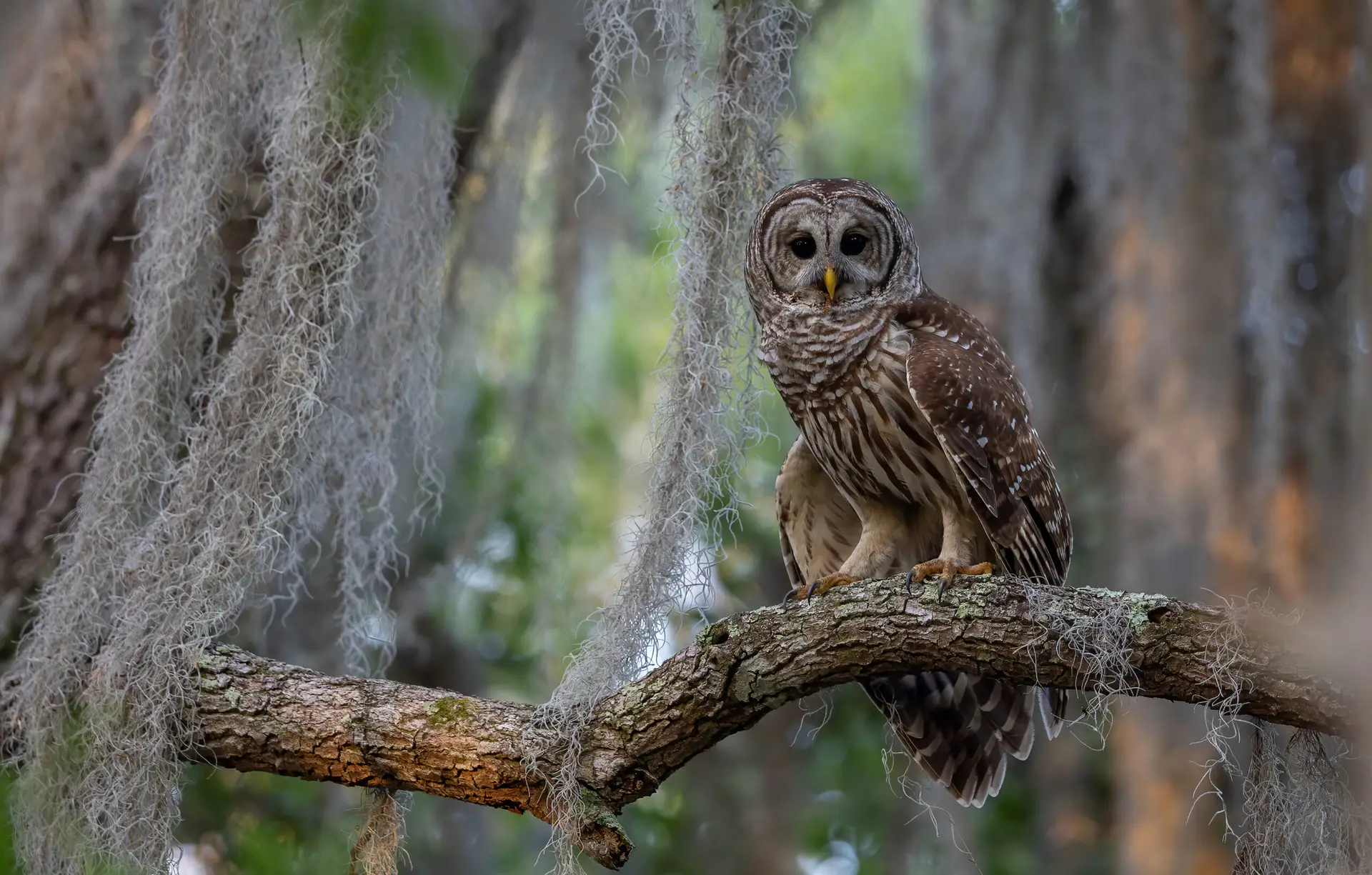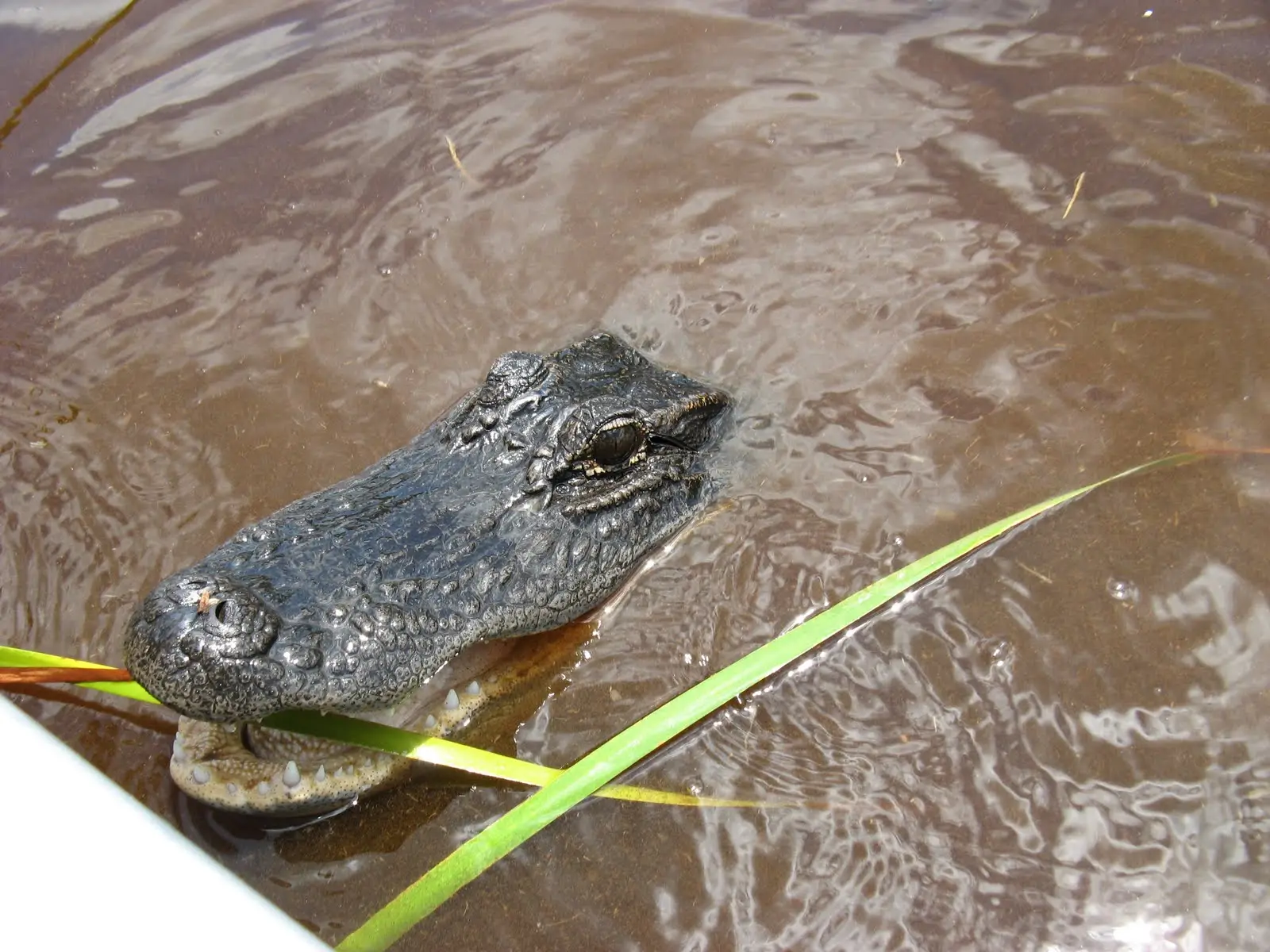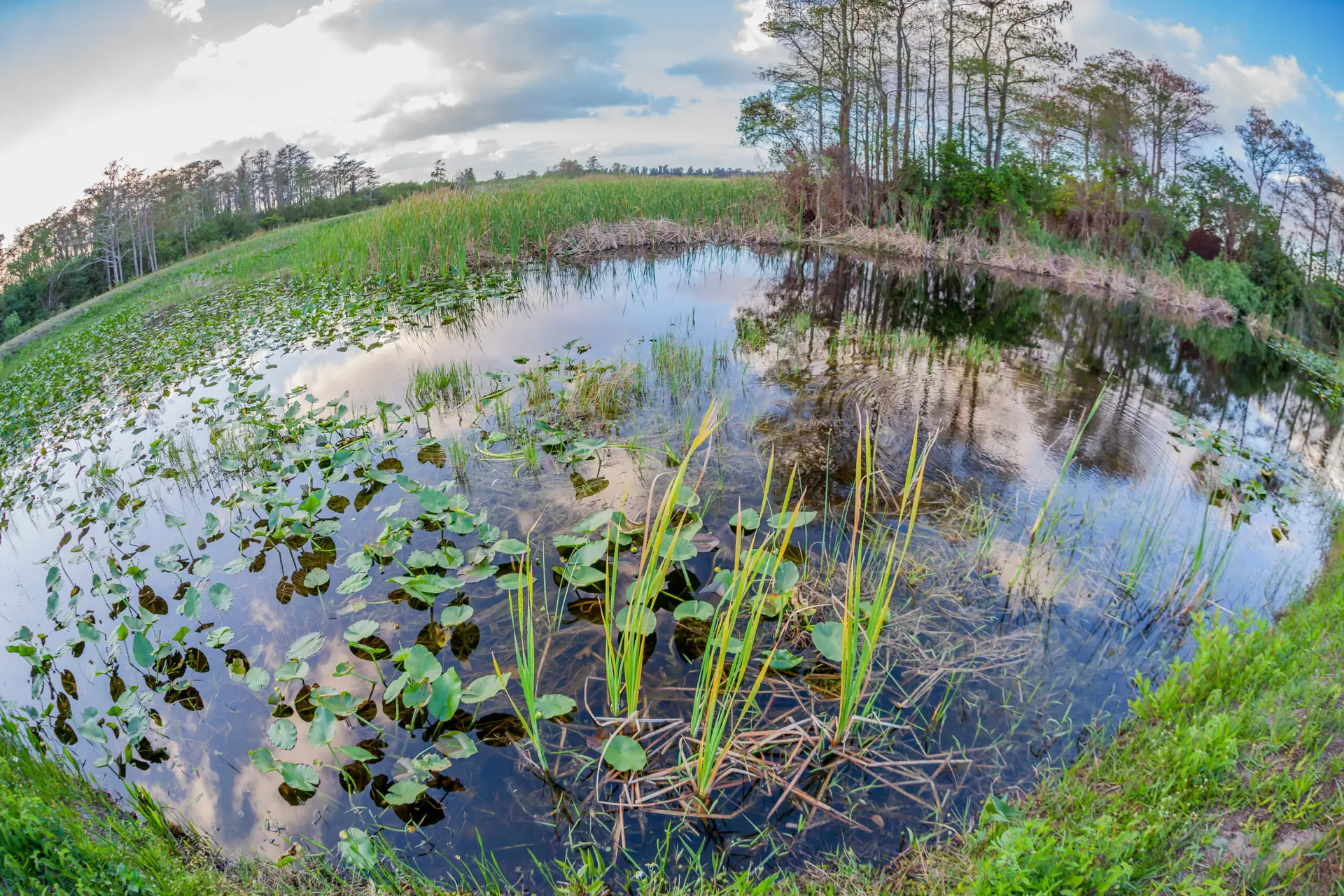
There are moments during an airboat tour when the Everglades can appear completely still. The sawgrass stretches toward the horizon, the water is calm, and there may not be an obvious animal anywhere nearby.
Those quiet moments can actually reveal why experience matters.
To Captain Randy, an empty landscape is not necessarily empty at all. He may be watching where vegetation changes, noticing birds in the distance, studying the water, or recognizing habitat that has produced wildlife activity many times before.
A Gladesman’s knowledge develops through repetition. One trip through the Everglades provides memories. Years of traveling through the same environment create patterns.
Captain Randy learns what certain areas look like during different water conditions. He recognizes how wildlife activity changes with the seasons. He understands that an area that appears quiet today may become extremely active when water levels change.
This knowledge cannot guarantee a particular wildlife sighting, and it should never be presented that way. Wildlife remains wild. What experience provides is a better understanding of where to look, what to notice, and why seemingly insignificant details may matter.
Experience Turns Individual Clues Into a Bigger Picture
Finding one disturbed patch of vegetation does not make someone a tracker. Seeing one bird circle overhead does not reveal everything happening beneath the water.
The real skill comes from putting information together.
Imagine Captain Randy notices birds concentrating near a particular area. He also recognizes that the water is shallower than it was during a previous season. Fish may be gathering differently because of those changing conditions. Nearby vegetation may provide additional habitat. Individually, each observation is small. Together, they begin creating a picture of what may be happening.
This is where a lifetime of experience separates observation from assumption.
A knowledgeable Gladesman understands that nature does not always provide definitive answers. Sometimes the clues suggest possibilities rather than certainties. Being willing to say that is part of respecting the Everglades.
Captain Randy can explain what a sign may indicate while allowing the landscape to reveal the rest of the story naturally.
The Season Changes the Meaning of Animal Signs
Everglades animal signs cannot be separated from the seasons.
South Florida’s wet and dry periods dramatically change the landscape. During wetter months, wildlife can spread across a much larger area as water expands throughout the marsh. During the dry season, receding water can concentrate fish and other aquatic life in deeper locations, which in turn influences predators and birds.
A clue that matters during one part of the year may have a different significance several months later.
This is why Captain Randy pays attention to more than the immediate surroundings. Water levels, recent rainfall, temperature, vegetation, and seasonal wildlife behavior all contribute to how he interprets what he sees.
The Everglades Foundation explains how the movement and availability of water influence the health of the greater Everglades ecosystem. Those changes ultimately affect the habitats wildlife depends upon.
For guests, understanding this connection adds another dimension to a private airboat adventure. The season is no longer simply about whether the day feels hot or cool. It becomes part of the wildlife story unfolding around them.
Alligator Holes Can Reveal an Entire Community
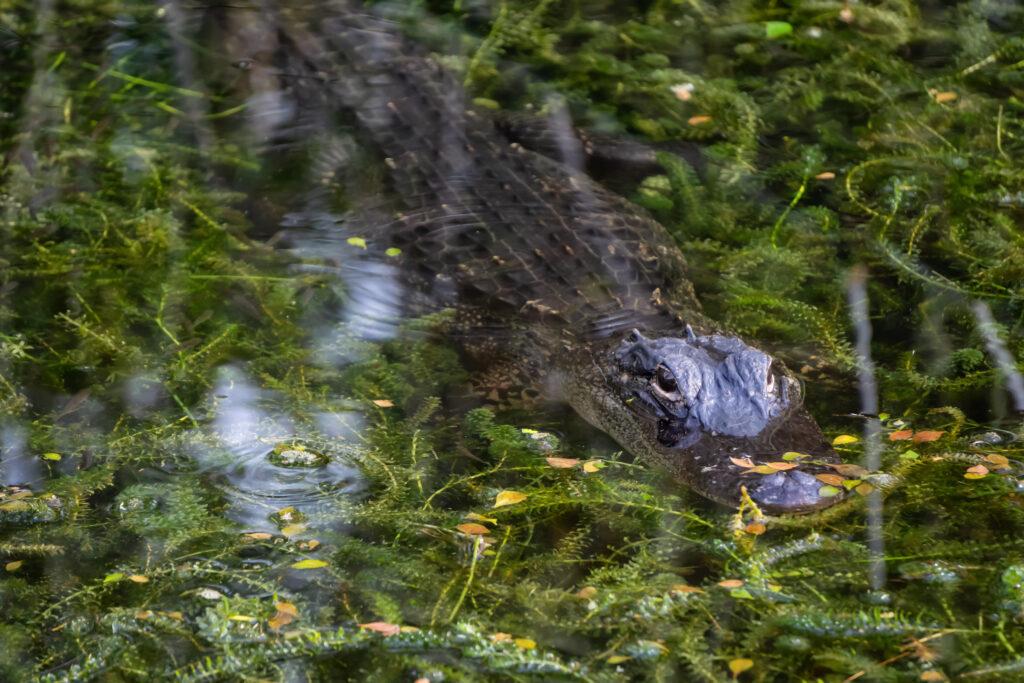
Few examples demonstrate the relationship between animal signs and habitat better than an alligator hole.
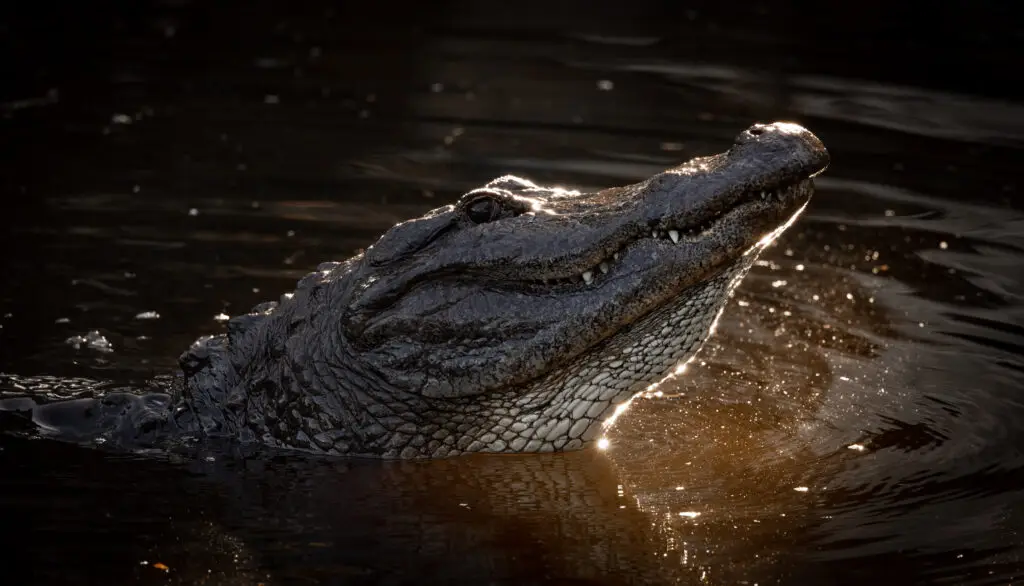
Alligators can create and maintain depressions in the marsh that retain water as surrounding areas become shallower during dry conditions. These locations may provide habitat for fish and other aquatic organisms, which can attract birds, turtles, and additional wildlife.
Even if the alligator responsible for maintaining the area is nowhere in sight, the habitat itself can reveal its influence.
The National Park Service describes the American alligator as an important species within the Everglades ecosystem and explains how alligator holes can provide habitat for other wildlife during dry periods.
This is exactly the type of relationship Captain Randy can help guests recognize. Instead of thinking only about finding an alligator, visitors begin understanding how the presence of an animal can shape the environment around it.
Sometimes the most interesting evidence of wildlife is not the animal itself. It is what the animal has changed.
Sounds Can Be Signs Too
Reading the Everglades is not limited to what can be seen.
Bird calls, splashes, movement within vegetation, and sudden changes in the surrounding soundscape can all cause an experienced observer to pay attention. Sound can sometimes reveal activity in areas where dense vegetation makes direct observation difficult.
Again, context matters.
A splash could be caused by a fish, turtle, bird, alligator, or something as simple as vegetation entering the water. An unfamiliar sound should not automatically be turned into a dramatic wildlife claim.
Captain Randy’s familiarity with the environment gives him a much larger library of experience to draw from. Years spent hearing the same birds, water, wind, and wildlife make certain sounds recognizable while others simply become reasons to look more closely.
For guests accustomed to city noise, the experience can be surprising. Once the airboat stops and the engine becomes quiet, the Everglades has its own soundtrack.
Learning to listen can become just as important as learning to look.
Why Private Tours Make These Details Easier to Discover
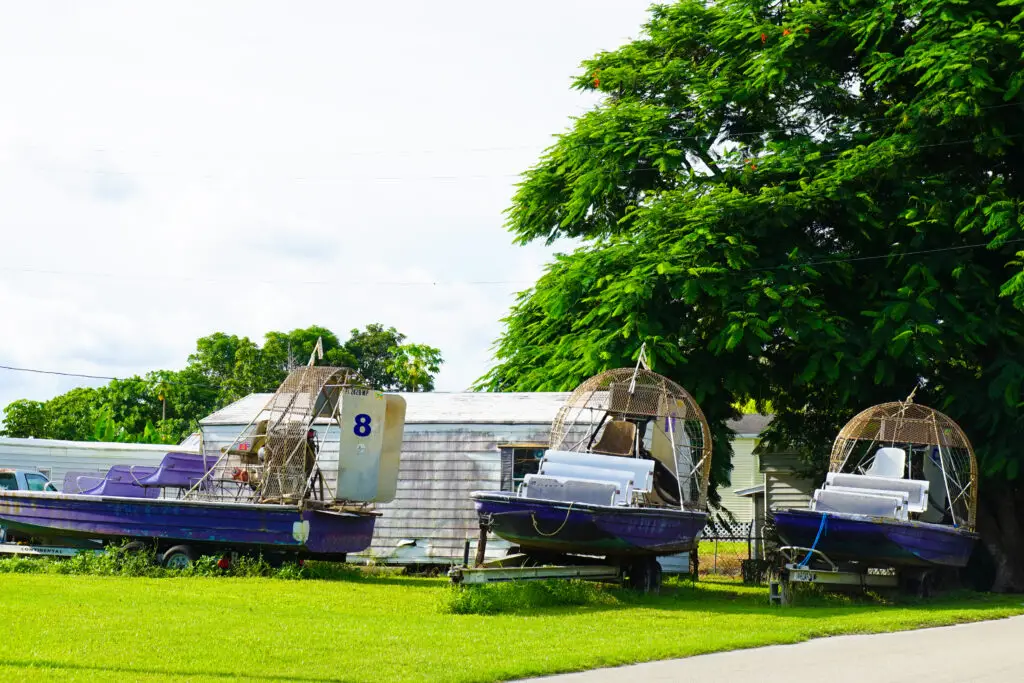
Spotting subtle Everglades animal signs requires something that large sightseeing experiences often have difficulty providing: time.
A private charter gives guests an opportunity to ask Captain Randy why he is looking toward a particular area or what he noticed in the vegetation. If an interesting situation develops, there is greater flexibility to observe it rather than treating wildlife as another item on a checklist.
This slower, more personal approach is an important part of the private airboat experience offered by Ride The Wind.
It also allows the tour to become educational without feeling like a classroom. Questions arise naturally because guests are responding to what they see around them.
Why are those birds gathering there? What made that trail through the vegetation? Why is the water moving differently in that spot? What would Captain Randy look for if he were searching for signs of an alligator?
The answers connect the adventure directly to the landscape.
Recognized Across South Florida for Private Airboat Charters
The ability to personalize an experience around the people on board is one of the qualities that distinguishes Ride The Wind from a conventional group tour.
Captain Randy combines airboat experience with the perspective of a Gladesman, allowing guests to explore wildlife, ecology, history, and the subtle signs of the Everglades according to what unfolds during their trip.
Ride The Wind has been recognized among South Florida’s private airboat tour experiences, reflecting the personalized approach that makes these adventures different from simply following a predetermined route.
That distinction becomes particularly important with wildlife. There is no script that can determine what will appear on a particular day. The Everglades decides that.
The role of an experienced guide is to understand the conditions, recognize opportunities, and help guests appreciate what the landscape provides.
Everglades Animal Signs Change the Way You Look at the Marsh
At the beginning of an Everglades adventure, most visitors naturally look for animals.
By the end of a tour with Captain Randy, they may find themselves looking for something else.
They notice a patch of vegetation that looks different from everything around it. They watch where birds are gathering. They pay attention to a ripple moving across otherwise calm water. They listen when something moves beyond the sawgrass.
The wildlife has not necessarily become easier to find. The visitor has simply learned how much more there is to notice.
That is what makes Everglades animal signs such a fascinating part of exploring the River of Grass. Wildlife leaves clues everywhere, but recognizing those clues requires patience, observation, and an understanding of how animals interact with their environment.
A true Gladesman develops that understanding over years on the water.
Captain Randy brings that experience to every Ride The Wind private Everglades adventure, helping guests discover that some of the most memorable wildlife encounters begin before an animal ever appears.
The next time the Everglades looks empty, look again.
There may be an entire story waiting in the signs.
Visitors ready to experience the River of Grass through the eyes of a Gladesman can contact Ride The Wind to plan a private Everglades airboat charter.