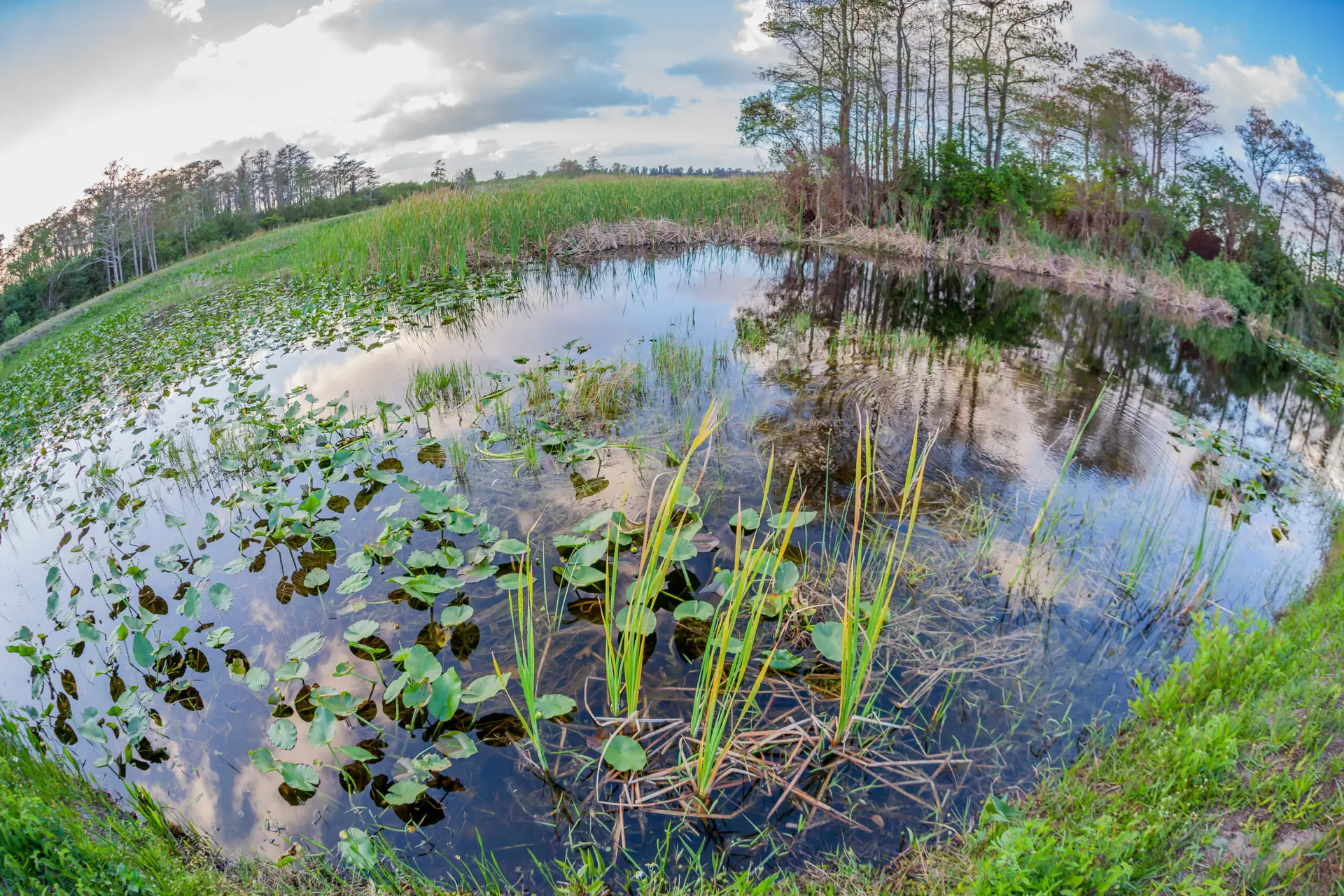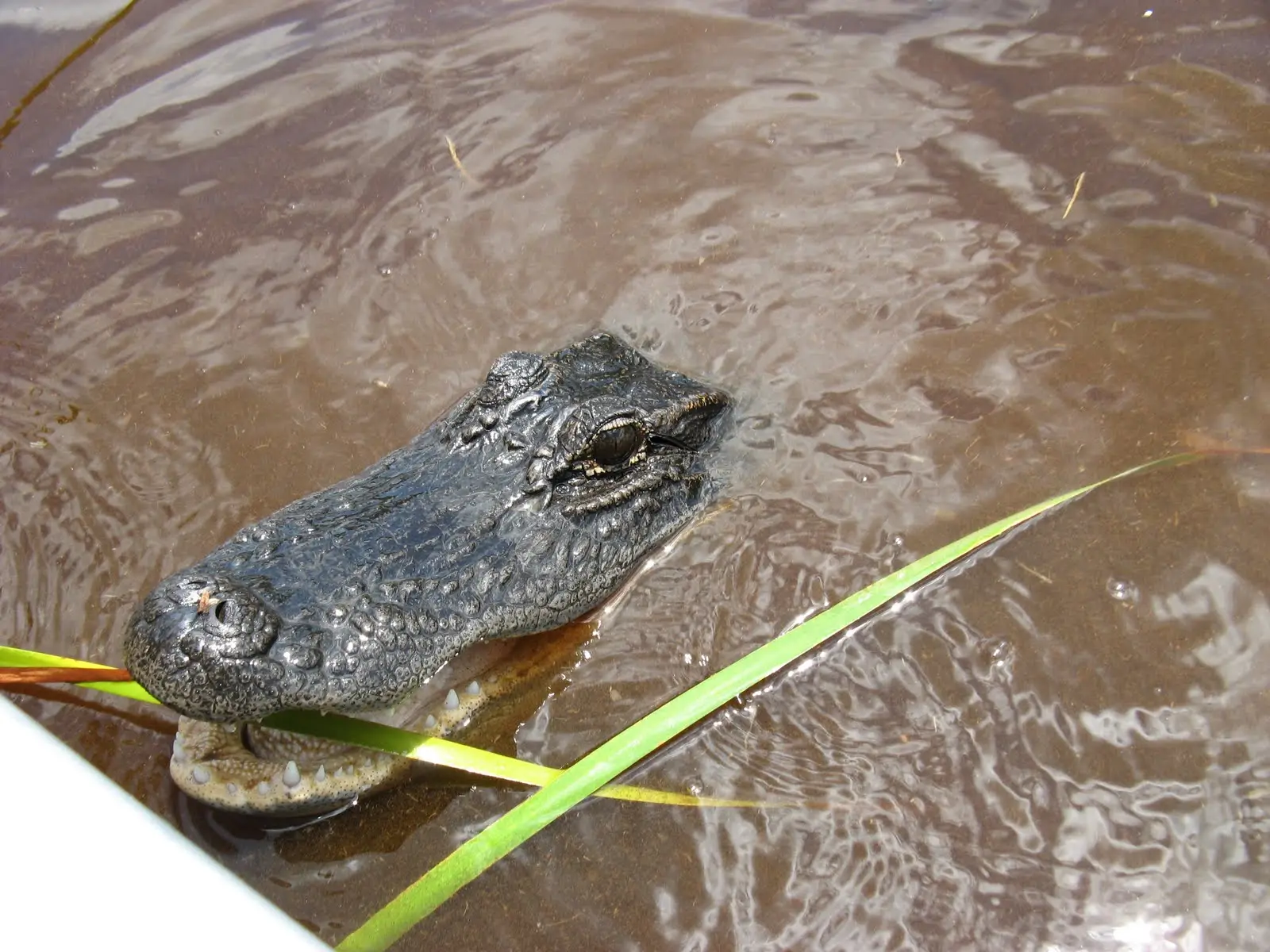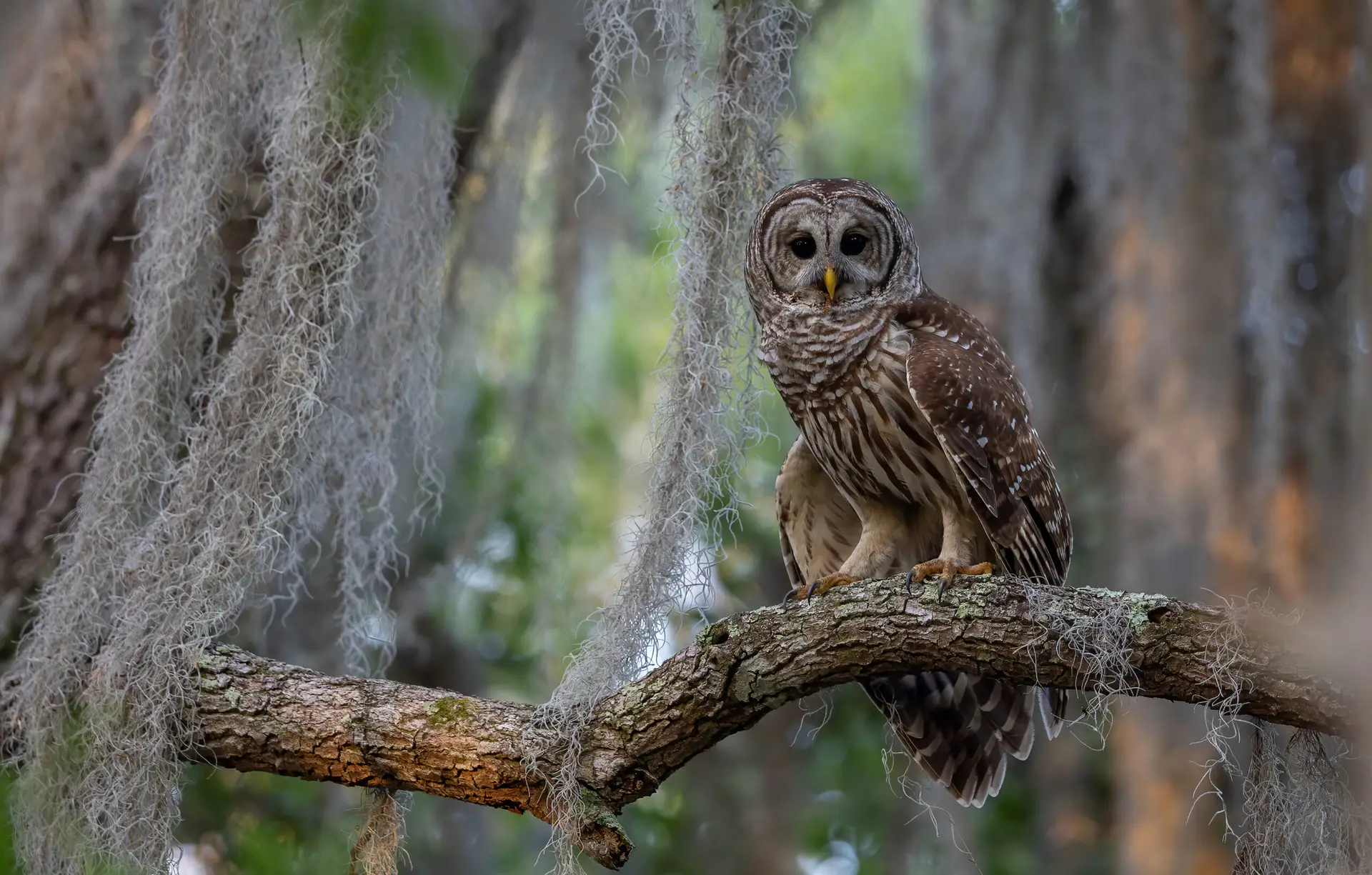
Everglades animal signs can reveal an entire world of wildlife even when there is not an alligator, bird, turtle, or mammal anywhere in sight. To an untrained eye, a quiet stretch of sawgrass may look empty. To someone who has spent years learning the River of Grass, that same landscape can be filled with clues.
A patch of disturbed vegetation can suggest that something recently moved through the area. Birds gathering above a particular stretch of water may reveal feeding activity below the surface. A nest tucked into vegetation can indicate that wildlife has been using an area long before an airboat arrived. Even changes in water movement can provide clues about what may be happening nearby.
This is one of the differences between simply looking at the Everglades and learning how to read it.
Captain Randy brings that perspective to every private adventure with Ride The Wind. As a Gladesman, his understanding of the Everglades has been developed through years of firsthand experience. Wildlife does not have to be standing directly in front of the airboat for the landscape to tell a story. Sometimes the most interesting discoveries begin with noticing what an animal left behind.
Everglades Animal Signs Begin with Knowing Where to Look
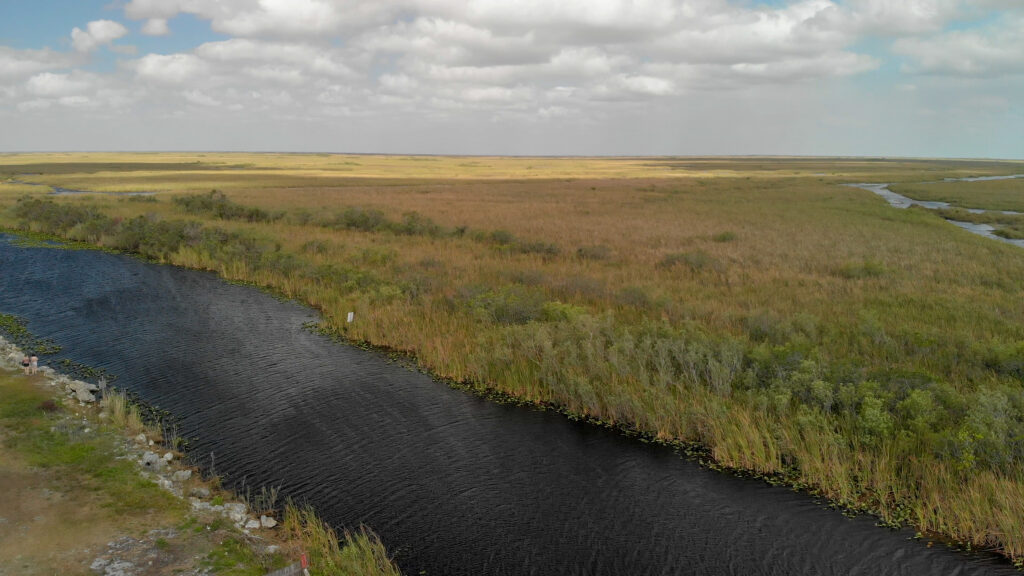
Wildlife watching often becomes a search for the animal itself. Guests naturally scan the water for alligator eyes, look toward the sky for birds, and watch the edges of vegetation for movement. A Gladesman takes in a much larger picture.
The habitat surrounding an area can provide the first clue.
Water depth matters. Vegetation matters. Weather matters. The season matters. A location that provides food, protection, or suitable nesting habitat may deserve closer attention even when no wildlife is immediately visible.
The National Park Service documents the extraordinary variety of animals that depend on Everglades habitats, from reptiles and amphibians to birds, fish, and mammals. Each species interacts with its surroundings differently, which means each can leave different evidence of its presence.
Captain Randy is not simply searching for movement. He is looking at the conditions that make wildlife activity more or less likely. That wider perspective is something guests begin to appreciate as a private tour progresses.
Disturbed Vegetation Can Tell a Story
Sawgrass can look remarkably uniform from a distance. Spend enough time in the Everglades, however, and differences begin to stand out.
Vegetation that is bent, separated, flattened, or otherwise different from its surroundings may indicate recent activity. The clue alone does not automatically identify what caused it. Wind, water, weather, people, and wildlife can all alter vegetation. Experience comes from recognizing those possibilities rather than jumping immediately to a conclusion.
That distinction matters.
A Gladesman combines one clue with others. What type of vegetation is present? How deep is the water? Is there another sign nearby? Are birds reacting to something? Does the disturbance look recent or old?
This is where years spent in the Everglades become valuable. Captain Randy can help guests understand that reading the landscape is rarely about finding one obvious sign. It is about noticing several details and understanding how they may fit together.
Guests interested in experiencing that perspective can explore the private Everglades airboat tours offered by Ride The Wind, where smaller private charters create more opportunity for questions, observation, and spontaneous discoveries.
Nests Reveal Life That May Be Hidden
A nest can reveal wildlife activity even when its occupants are nowhere to be seen.
The Everglades provides nesting habitat for an extraordinary variety of birds, and different species select locations based on protection, water conditions, available food, and vegetation. Nesting activity can also change throughout the year, making seasonal knowledge especially useful.
For a visitor, a cluster of branches or vegetation might be easy to overlook. Someone familiar with the environment may recognize that the area deserves a closer look from a respectful distance.
The important word is distance.
Wildlife observation should never require disturbing a nest or forcing an animal to react. The purpose of recognizing animal signs is to better understand the Everglades, not to interfere with it. Responsible observation means allowing wildlife to continue behaving naturally.
That philosophy is especially important during nesting periods when animals may be caring for eggs or young. The best encounter is one where visitors gain a memorable experience without changing what the wildlife was doing before they arrived.
Tracks Are Only One Kind of Wildlife Evidence
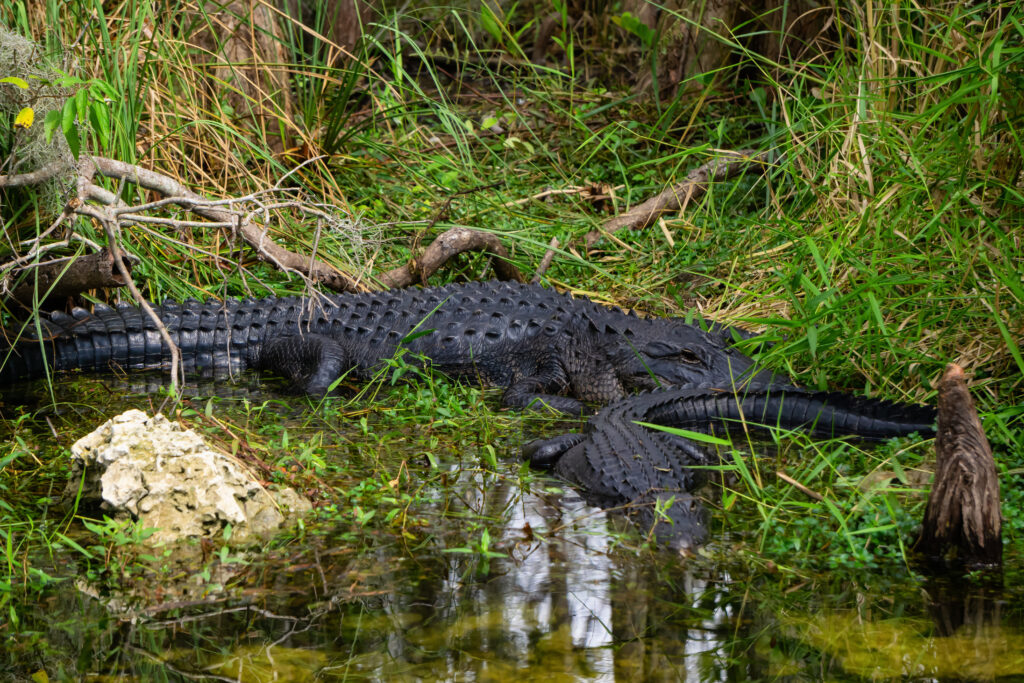
When people hear the words animal signs, footprints are often the first thing that comes to mind. Tracks can certainly reveal wildlife activity, but the Everglades presents a different tracking environment from a dry forest trail.
Much of the landscape is covered by water, marsh vegetation, mud, and organic material. Evidence may appear briefly and then disappear as water moves, rain falls, or other animals pass through.
That means a Gladesman cannot depend on footprints alone.
Tracks along exposed ground or muddy edges may provide useful clues when conditions allow, but wildlife can also reveal itself through trails in vegetation, resting areas, nesting material, feeding evidence, and subtle changes along the edge of the water.
Even when a sign cannot be confidently attributed to a particular species, it can still encourage closer observation. Captain Randy’s experience helps turn these moments into opportunities to explain how wildlife interacts with the Everglades rather than treating every unidentified mark as something it may not be.
Feeding Activity Can Reveal Wildlife Before You See It
Sometimes the first sign of an animal is evidence that something has been eating.
The Everglades food web is constantly active. Fish feed beneath the surface. Wading birds search shallow water. Birds of prey watch from above. Reptiles, mammals, amphibians, insects, and countless smaller organisms participate in a network of feeding relationships that keeps energy moving through the ecosystem.
This means activity in one species can provide information about another.
The Florida Fish and Wildlife Conservation Commission provides extensive information about Florida wildlife and the habitats different species depend upon. Understanding those relationships helps explain why experienced observers often watch the entire environment instead of concentrating on one animal.
A sudden gathering of birds, for example, can be more interesting than it first appears. The birds themselves may be the visible wildlife, but the reason they are gathering may be hidden beneath the water.
That is the kind of clue a Gladesman notices.
Bird Behavior Can Point Toward Something You Cannot See
Birds are among the most visible wildlife in the Everglades, but Captain Randy can also watch them for information about what is happening elsewhere.
A bird circling above the water may be searching for food. Wading birds concentrating in one shallow area may indicate favorable feeding conditions. A sudden change in movement or direction may simply be ordinary behavior, but it can also encourage an experienced observer to pay closer attention to the surroundings.
The key is not pretending every bird movement has a dramatic meaning. Nature is more complicated than that.
What experience provides is context. Captain Randy has watched Everglades wildlife through changing seasons, water levels, weather conditions, and countless hours on the marsh. Individual observations become more useful when they are compared with patterns seen repeatedly over time.
This is one reason a Gladesman’s knowledge cannot be reduced to a wildlife checklist. Knowing which animals live in the Everglades is valuable. Understanding how those animals interact with the landscape takes considerably longer to learn.
Water Movement Can Be an Animal Sign Too
Some of the most interesting Everglades animal signs disappear almost as quickly as they appear.
A ripple moving against otherwise calm water can draw attention. A small wake may suggest movement beneath the surface. A sudden disturbance along vegetation may provide another clue that something has just passed through.
Not every movement is wildlife. Wind, current, falling vegetation, fish, and the airboat itself can alter the surface. The skill comes from understanding the conditions around the observation.
Captain Randy considers the water alongside everything else he sees. Direction, depth, wind, vegetation, and nearby wildlife all contribute context.
For guests, this can create an entirely new way of experiencing the Everglades. Instead of waiting for an animal to appear, they begin watching the landscape for clues. The marsh suddenly feels more active because they understand that much of its life remains hidden.
That realization is part of what makes exploring the Everglades with a true Gladesman so different. There is always more happening than what can immediately be seen.