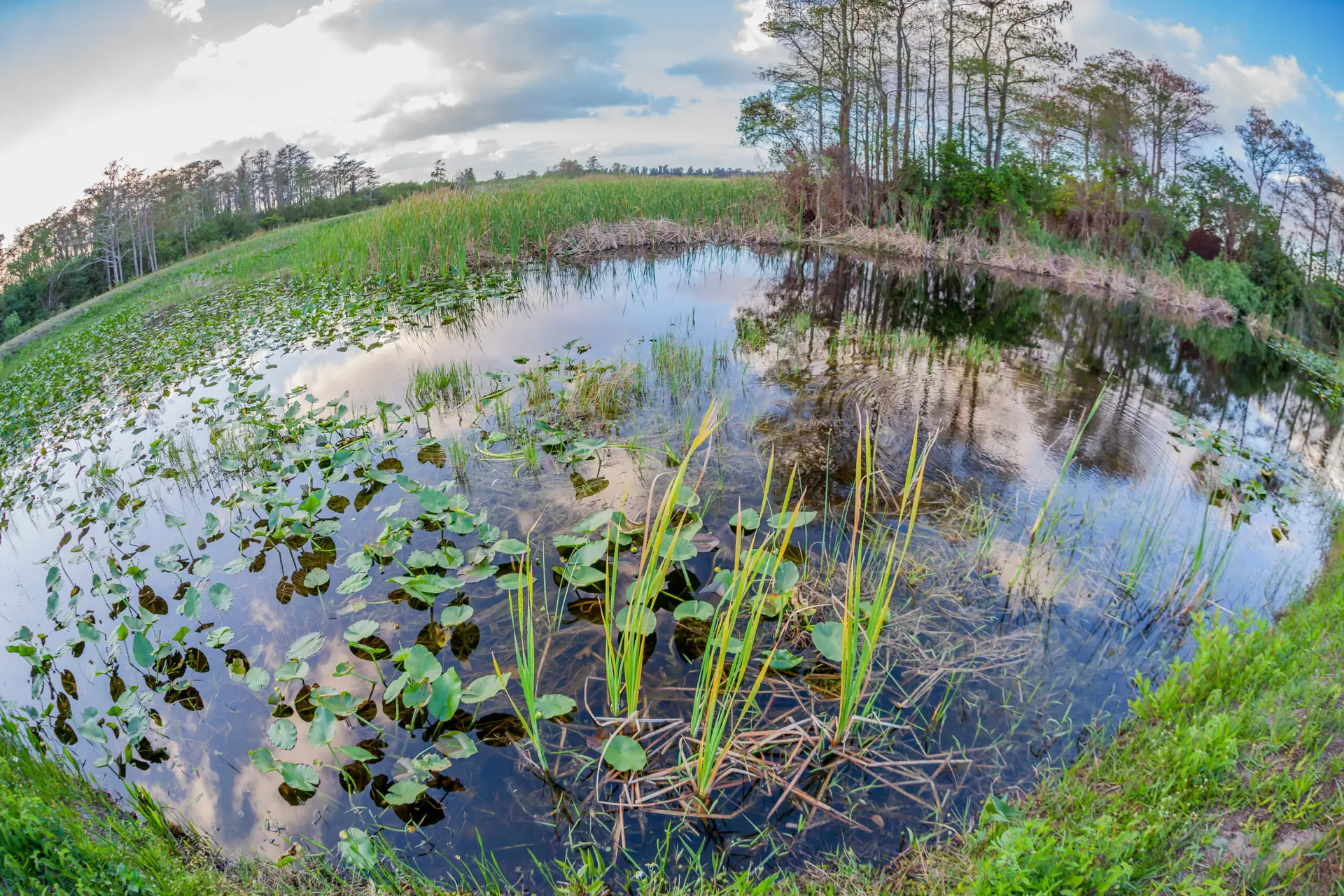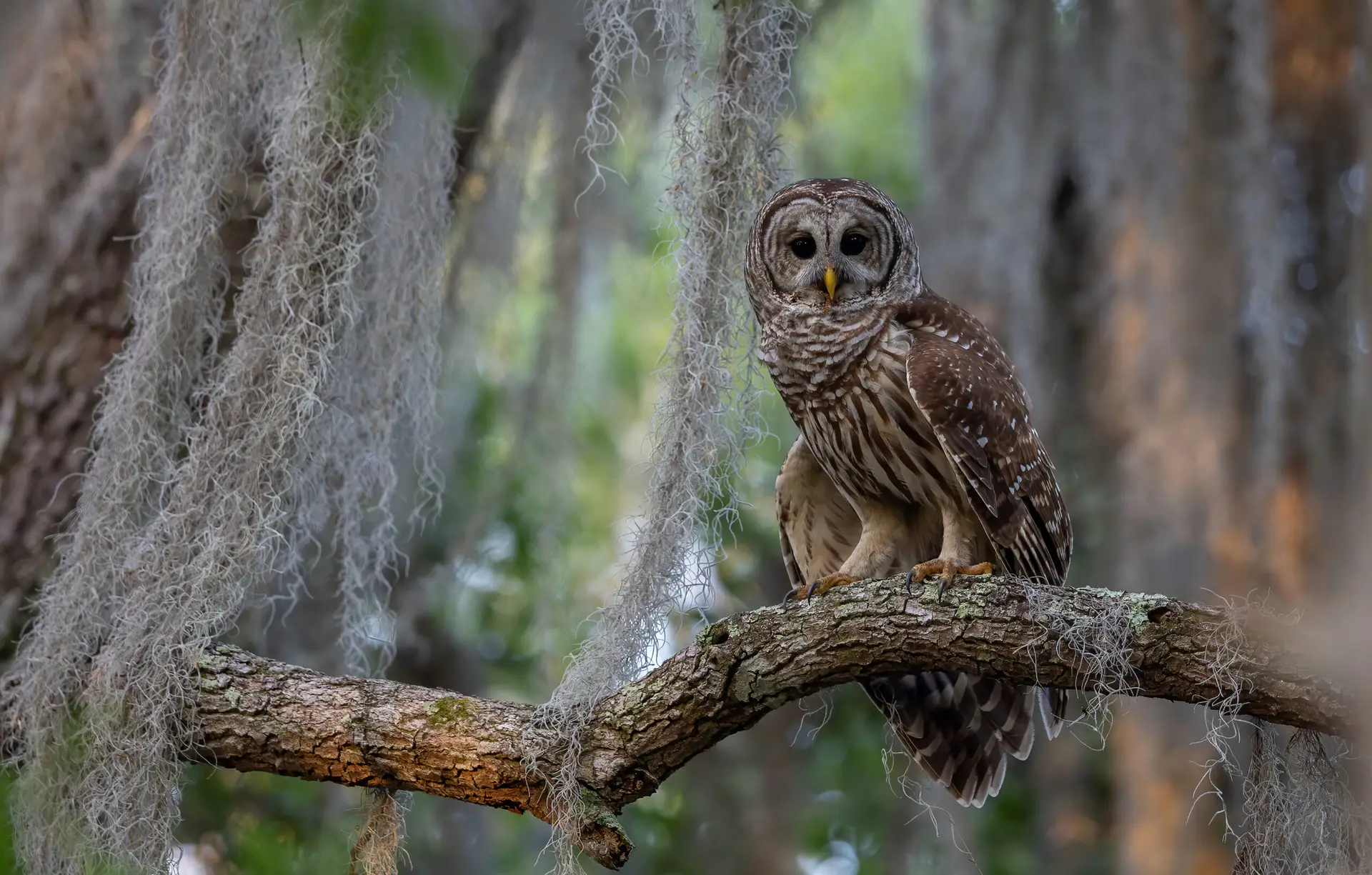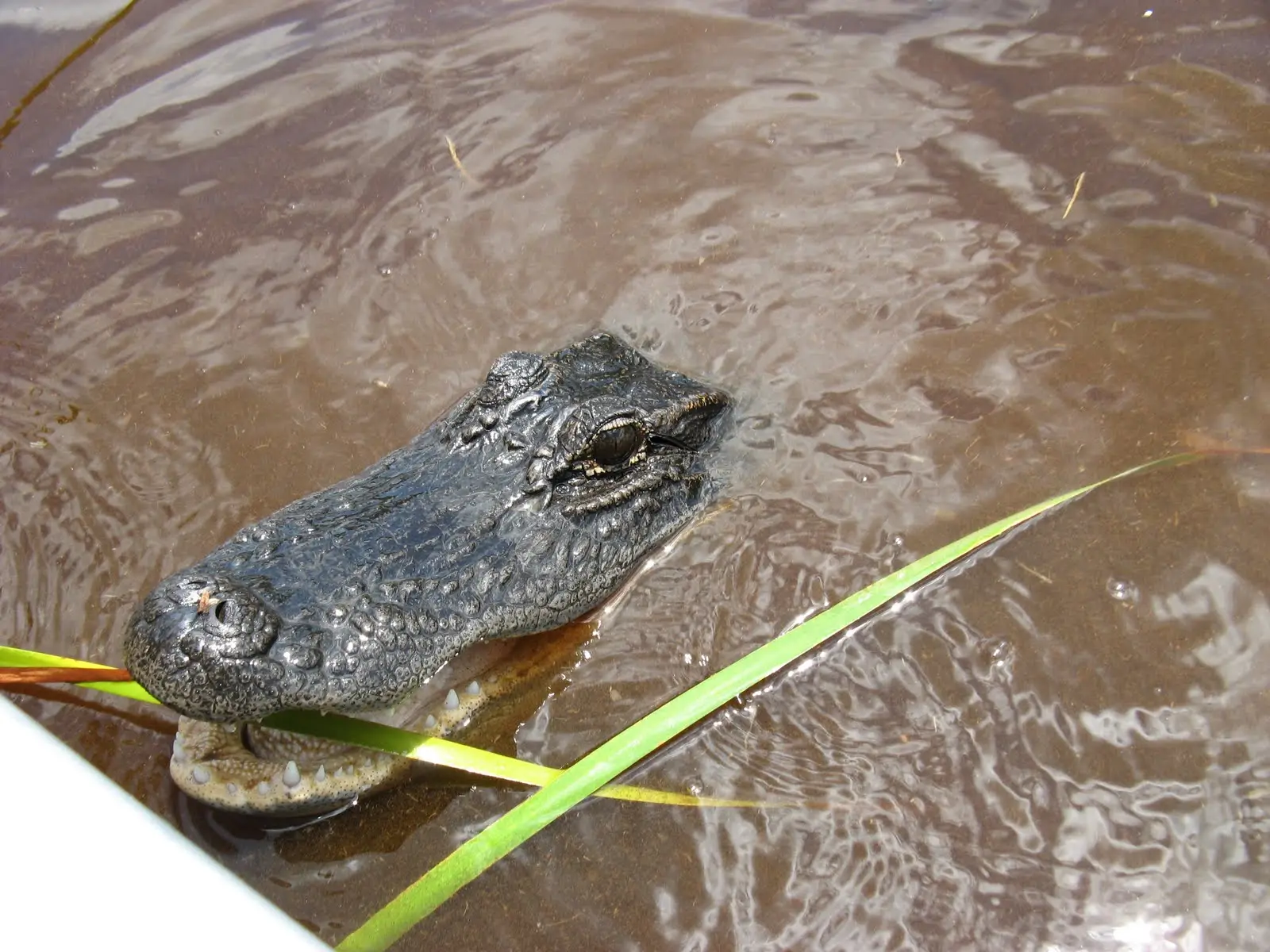
For many first-time visitors, seeing an alligator in the Everglades is the moment they have been waiting for. A dark shape appears along the edge of the water, a pair of eyes breaks the surface, or a large alligator rests almost motionless in the Florida sun. Cameras come out immediately. To most people, it is an unforgettable wildlife sighting. To an experienced Gladesman, however, there is much more happening.
Captain Randy has spent years observing the Everglades and learning the subtle behaviors that reveal what is happening within the landscape. Where an alligator chooses to rest, how it positions itself in the water, the temperature, water depth, time of year, and surrounding wildlife can all provide clues about its behavior.
That knowledge is part of what makes a private adventure with Ride The Wind different. Guests do not simply search for alligators. They have the opportunity to learn about the animals in their natural environment from someone who understands the Everglades through years of firsthand experience.
Everglades Alligators Are More Than a Wildlife Attraction
American alligators are among the animals most closely associated with the Everglades, but their importance extends far beyond giving visitors an exciting photograph.
They are an important part of the wetland ecosystem. During dry conditions, alligators can create and maintain depressions known as alligator holes. As surrounding marshes become shallower, these areas can retain water and provide refuge for fish, turtles, birds, and other wildlife.
The National Park Service American alligator profile describes alligators as a keystone species within the Everglades and explains the ecological importance of the habitats they create.
For Captain Randy, seeing an alligator is therefore about much more than simply pointing out where it is located. Its surroundings can reveal another part of the story. Water depth, vegetation, nearby birds, temperature, and seasonal conditions all help explain why an animal may be in a particular place.
This is where experience changes what a visitor sees. What looks like an alligator resting beside the water can become a lesson about how wildlife and habitat interact throughout the River of Grass.
A Gladesman Watches Behavior Before Size
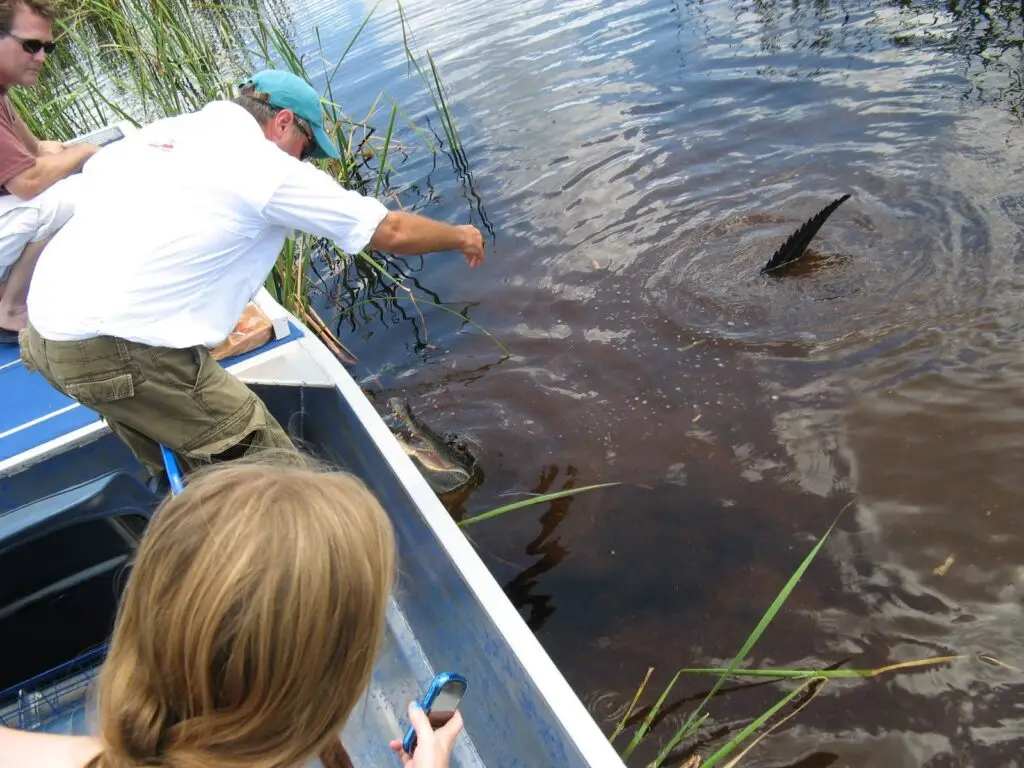
One of the first things many guests notice about an alligator is its size. Captain Randy is also paying attention to behavior.
Is the animal basking? Is most of its body submerged? Is it moving slowly across open water? Is it positioned near deeper water? What is happening around it?
These observations matter because alligator behavior is closely connected to environmental conditions. Alligators are ectothermic, meaning they rely on their surroundings to regulate body temperature. The Florida Fish and Wildlife Conservation Commission explains that alligators regulate their temperature by moving between warmer and cooler environments and by basking in the sun.
This helps explain a sight that sometimes surprises visitors. An alligator may remain almost perfectly still for a long period while basking. That does not mean the animal is sleeping, sick, or unaware of its surroundings. It is behaving naturally.
Someone unfamiliar with the Everglades may see inactivity. A Gladesman recognizes another clue about the animal and the conditions around it.
Why Alligators Spend So Much Time in the Sun
Seeing an alligator stretched along a bank on a cooler Florida day can create one of the best photographic opportunities of an Everglades trip, but basking serves an important biological purpose.
Because alligators depend on external temperatures to regulate their bodies, sunlight provides warmth. When conditions change, an alligator may return to the water or seek a different environment to regulate its temperature.
This relationship between temperature and behavior means the same stretch of marsh can look completely different depending on when you visit. Alligators that were visible earlier may disappear beneath the water later. Animals that were difficult to locate during one set of conditions may become much easier to observe during another.
Captain Randy’s experience helps guests understand these changes instead of expecting wildlife to appear in predetermined places. Nature does not operate according to a tour schedule, which is one reason every trip with Ride The Wind private airboat charters can produce a different experience.
The Water Can Tell You Where to Look
The Everglades is shaped by water, and alligator behavior is closely connected to it.
During the wet season, water spreads across a much larger portion of the landscape. Fish and other potential prey become more widely dispersed, and alligators have more habitat available to them. During the dry season, receding water concentrates aquatic life into deeper areas.
This seasonal rhythm can change where wildlife gathers and how easily visitors can observe it. National Park Service educational material describes how the Everglades dry season can concentrate wildlife around deeper sloughs and other remaining water sources.
A Gladesman learns to recognize those patterns over years on the water. Captain Randy can look beyond the immediate wildlife sighting and consider what water levels are revealing about the larger environment.
For guests, this creates a completely different experience. Instead of simply hearing, “There is an alligator,” they begin learning why the animal may be there in the first place.
Spring Brings a Different Kind of Alligator Activity

Seasonal behavior becomes especially important as Florida moves into spring and early summer.
According to the Florida Fish and Wildlife Conservation Commission’s alligator information, courtship generally begins in early April, with mating occurring during May or June. Females typically construct nests and lay their eggs later in the summer.
These natural cycles are another reason responsible wildlife observation matters. An experienced guide understands that wildlife should be watched without interfering with its behavior, particularly around nesting areas.
Captain Randy’s knowledge helps guests appreciate what they are seeing while maintaining respect for the animals and their environment. The objective is never to force an encounter or disturb an alligator simply to produce a photograph.
The best Everglades experiences happen when wildlife behaves naturally and visitors are fortunate enough to witness it.
Still Does Not Mean Safe to Approach
One of the most important lessons visitors can learn about Everglades alligators is also one of the simplest: never mistake stillness for tameness.
An alligator basking beside the water can appear almost unreal. It may remain motionless long enough for someone unfamiliar with these animals to underestimate how quickly it can react.
The National Park Service wildlife safety guidance reminds visitors that alligators are wild animals, should be given plenty of space, and should never be fed or harassed. Feeding wildlife is particularly dangerous because it can cause animals to associate people with food.
Respect is a major part of the Gladesman perspective. Knowing the Everglades does not mean becoming casual around wildlife. It means understanding wildlife well enough to recognize why distance and responsible observation matter.
That philosophy carries through every Ride The Wind adventure. Seeing an alligator in its natural habitat should feel exciting precisely because it is wild. The goal is to observe that animal as part of the Everglades, appreciate what its behavior can tell us, and leave it exactly as we found it.
Alligator Holes Help Other Everglades Wildlife Survive
One of the most interesting things Captain Randy can point out is how an alligator can actually influence the habitat around it. Alligators do not simply live within the Everglades ecosystem. Their behavior can physically change parts of it.
As alligators move, dig, and clear vegetation, they can create depressions that hold water during dry conditions. These areas are commonly known as alligator holes. When surrounding portions of the marsh begin to lose water, these deeper pockets can become important refuges for fish, turtles, birds, insects, and other wildlife.
That is one reason alligators are considered such an important species in the Everglades. Remove them from the picture and the effects can reach far beyond the alligators themselves.
For guests exploring the River of Grass with Ride The Wind, understanding this relationship can completely change the way they look at an alligator. The animal is no longer simply one of Florida’s most famous predators. It becomes part of the engineering of the ecosystem itself.
A Mother Alligator Tells a Gladesman Something Different
Few wildlife encounters capture attention like seeing young alligators, but this is also a situation where experience and respect become especially important.
Female alligators guard their nests and can remain near their young after they hatch. Hatchlings may stay together in groups, and their presence can indicate that an adult female is nearby even when visitors cannot immediately see her.
A knowledgeable Gladesman understands what those signs mean.
Captain Randy does not need to approach wildlife closely to create an exciting experience. Recognizing the circumstances surrounding an encounter allows him to explain what guests are seeing while maintaining an appropriate distance.
This is an important distinction between observing wildlife and interfering with it. The Everglades is not a zoo, and its animals are not positioned for visitors. Every encounter happens on nature’s terms.
That unpredictability is part of what makes seeing Everglades alligators in their natural habitat so memorable.
Alligators and Crocodiles Are Not the Same Animal
Another question visitors frequently ask is whether crocodiles also live in the Everglades. They do, although American crocodiles are associated more strongly with brackish and saltwater environments in southern portions of the Everglades and South Florida.
The Everglades region is particularly unusual because South Florida is the only place in the United States where American alligators and American crocodiles occur naturally within the same broader ecosystem.
The two animals have noticeable differences. Alligators generally have broader, more rounded snouts, while crocodiles tend to have narrower, more pointed snouts. Their preferred habitats also differ, with alligators commonly associated with freshwater environments and American crocodiles more tolerant of saltwater and brackish conditions.
The National Park Service explains the differences between alligators and crocodiles, providing another fascinating example of the biodiversity that makes the Everglades unlike almost anywhere else in North America.
For visitors, knowing these differences adds another layer to the experience. What initially looks like a simple wildlife sighting becomes an opportunity to understand how different species have adapted to South Florida’s complex network of habitats.
What Visitors Often Get Wrong About Everglades Alligators
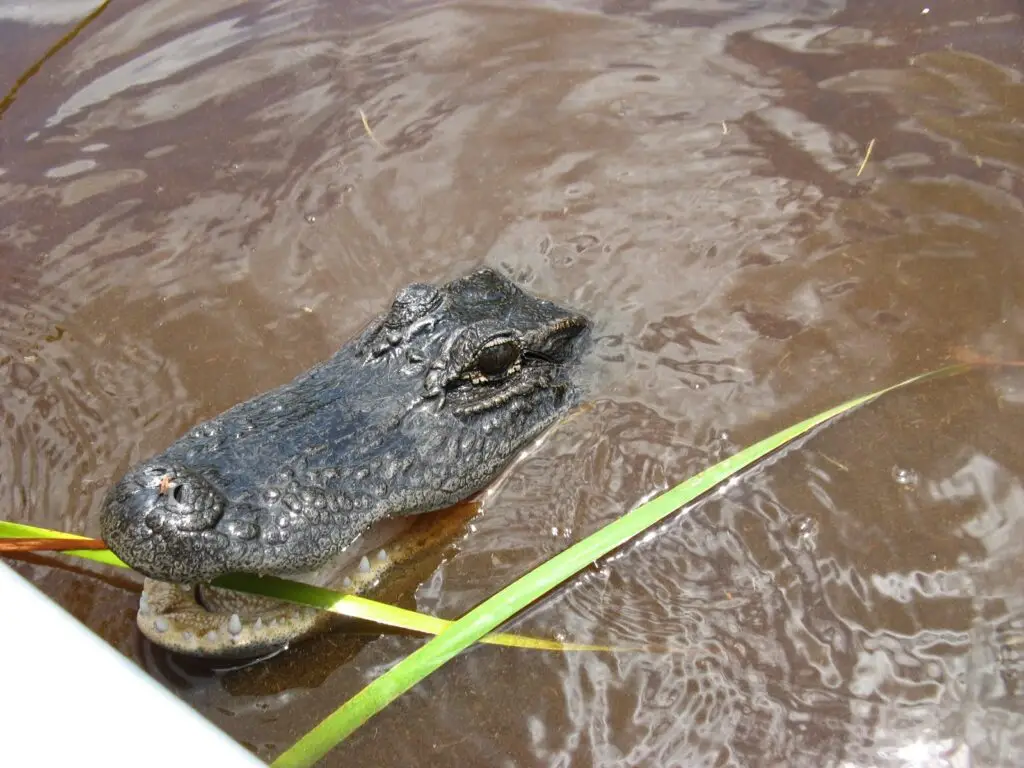
Movies, television, and social media have created plenty of misconceptions about alligator behavior. Some portray the animals as constantly aggressive predators searching for something to attack. Others create the opposite problem by showing people becoming far too comfortable around them.
Neither perspective reflects responsible wildlife observation.
Wild alligators generally want to remain wild. Problems are more likely to develop when people feed them, approach them, harass them, or otherwise alter their natural behavior. Feeding is particularly harmful because an animal can begin associating humans with food.
A Gladesman approaches the situation differently. The goal is not to create an artificial interaction. It is to recognize natural behavior and give guests the opportunity to witness it without changing it.
Captain Randy’s experience helps visitors understand that an alligator does not need to roar, chase something, or make a dramatic movement to be fascinating. Sometimes the most interesting observation is understanding why an animal is sitting exactly where it is.
Why a Private Airboat Tour Changes the Experience
A private charter creates something that is difficult to reproduce on a large group tour: time to observe.
If an interesting wildlife encounter develops, Captain Randy can explain what guests are seeing and answer questions rather than simply pointing toward the animal and continuing along a predetermined route. If conditions change, the experience can change with them.
That flexibility is especially valuable when observing Everglades alligators because wildlife never follows a schedule. One day may produce several sightings in a relatively small area. On another day, changing temperatures or water levels may mean the animals are distributed differently.
Guests interested in experiencing this more personal approach can explore Ride The Wind private Everglades airboat tours and learn how a private charter allows the adventure to develop around current conditions and individual interests.
For photographers, families, wildlife enthusiasts, and first time visitors, having direct access to Captain Randy also means questions can become part of the experience. Instead of simply leaving with photographs, guests leave understanding more about what those photographs actually captured.
Respect Is Part of Being a True Gladesman
Knowledge of the Everglades comes with responsibility.
Captain Randy’s experience as a Gladesman is not simply about knowing where wildlife may be found or understanding how to navigate shallow water. It also involves respecting an environment that has supported generations of wildlife and people.
Alligators deserve the same respect.
Responsible observation means maintaining appropriate distance, never feeding wildlife, avoiding unnecessary disturbance, and recognizing that visitors are entering the animals’ habitat rather than the other way around.
These principles also help protect future visitors. When wild animals remain wary of humans and maintain their natural behaviors, people and wildlife are better able to coexist.
A meaningful Everglades experience should therefore leave the landscape exactly as it was found. The memories and photographs go home with the visitor. The wildlife remains wild.
Seeing the Everglades Through Different Eyes
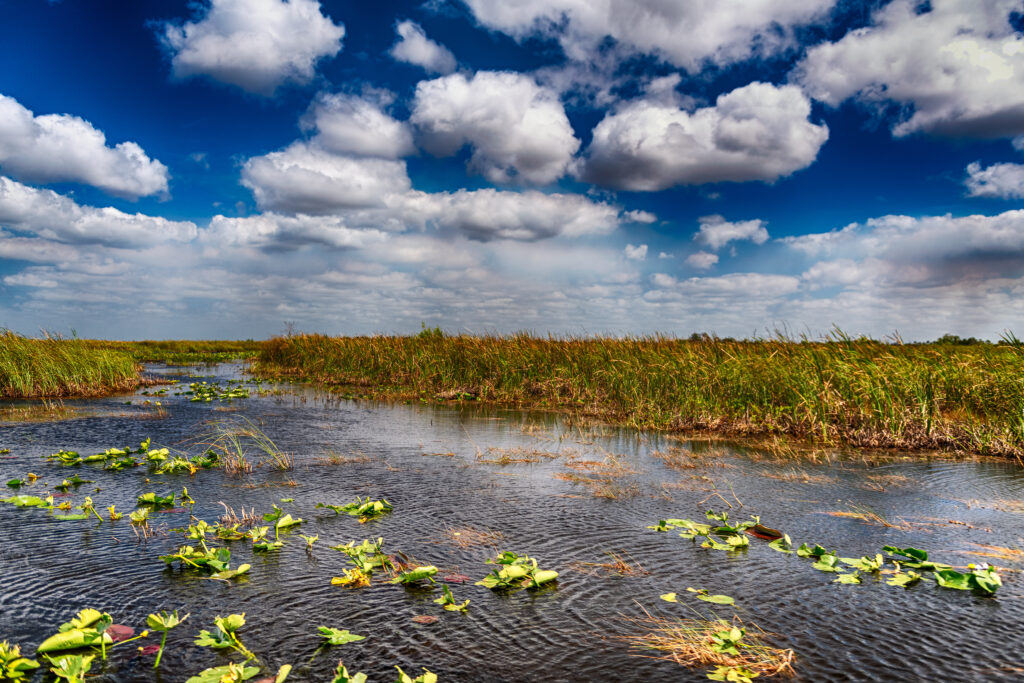
There is a moment that often happens during a private wildlife tour. At the beginning, guests are scanning the water simply hoping to see an alligator. After spending time with someone who understands the Everglades, they begin looking for something more.
They notice the depth of the water. They watch where birds are gathering. They recognize the difference between an alligator floating at the surface and one warming itself along the edge of the marsh. They begin asking why an animal is behaving a certain way instead of simply asking where the next one is.
That change in perspective is one of the most valuable parts of exploring the Everglades with a Gladesman.
Captain Randy has spent years developing an understanding that cannot be gained from a guidebook alone. Every season on the water adds another layer of experience, and every wildlife encounter becomes part of a much larger understanding of how the River of Grass works.
Ride The Wind has also been recognized among South Florida’s private airboat tour experiences, reflecting the personalized approach Captain Randy brings to sharing the Everglades with visitors.
Everglades Alligators Are Part of a Much Bigger Story
Seeing an alligator in the wild may be the reason someone first becomes excited about visiting the Everglades, but understanding the animal can become the reason that experience stays with them.
Everglades alligators tell a story about water, temperature, seasons, food, habitat, and survival. Their behavior provides clues about what is happening throughout the landscape, while the alligator holes they help maintain demonstrate just how connected one species can be to an entire ecosystem.
A true Gladesman sees those connections.
That is what Captain Randy brings to every Ride The Wind adventure. Guests are not simply shown wildlife. They are given an opportunity to understand why that wildlife is there, what its behavior may reveal, and why respecting the Everglades is essential to preserving these encounters for generations to come.
The next time you see an alligator resting quietly beside the River of Grass, look beyond its size. Look at the water. Notice the vegetation. Watch the surrounding birds. Consider the season and the temperature.
You may begin to see what a Gladesman sees.
When you are ready to experience Everglades wildlife from that perspective, contact Ride The Wind to plan a private adventure with Captain Randy.